
Introduction
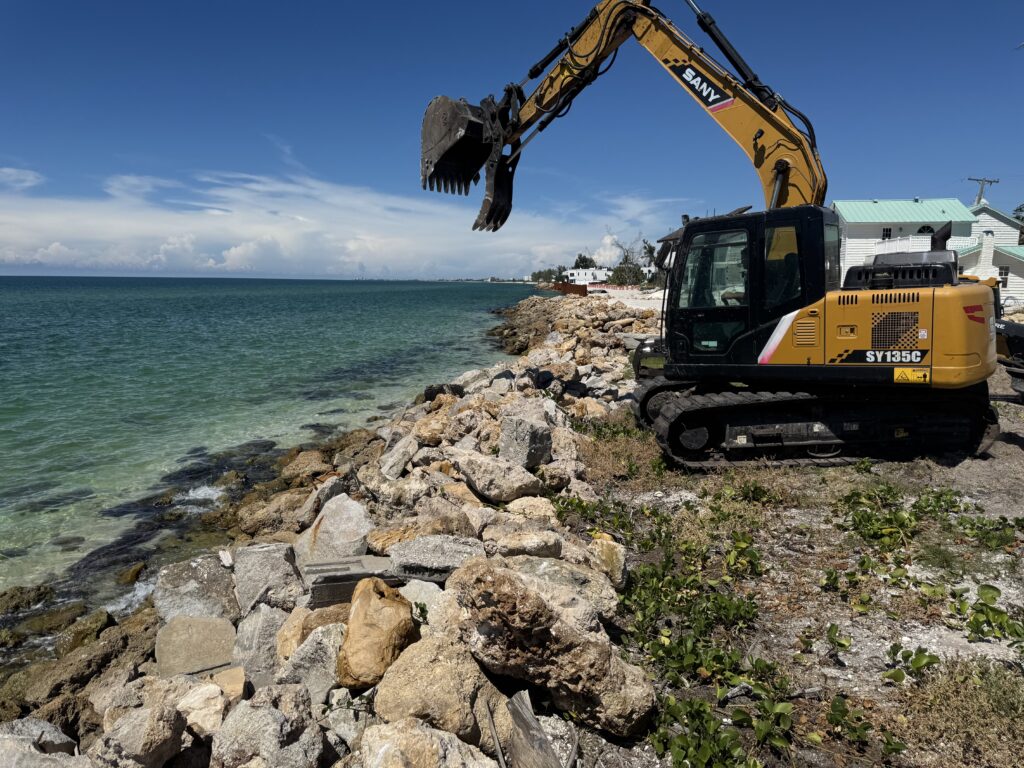
Riprap is a layer of large, durable stones—such as granite or limestone—used to protect shorelines, riverbanks, and construction sites from erosion. Property owners, contractors, and municipalities rely on riprap for long-lasting, effective erosion control.
What is Riprap?
Riprap consists of rock or concrete pieces placed along water edges or slopes. It stabilizes soil, absorbs water energy, and prevents erosion caused by waves, rain, or runoff.
How Does Riprap Work?
Riprap acts as a barrier, protecting land from being washed away. The stones absorb and deflect the force of water, keeping soil and infrastructure safe.
Benefits of Riprap
Durable and long-lasting
Low maintenance
Customizable for different sites
Environmentally friendly solution
Common Applications
Shorelines and riverbanks
Culverts and drainage channels
Bridge abutments
Construction sites
How to Install Riprap (Overview)
Assess the site and determine erosion risks.
Select the right size and type of riprap (limestone, granite, or concrete).
Prepare the area by clearing debris and grading the slope.
Place a filter fabric (optional, but recommended).
Install riprap stones, starting from the bottom and working up.
Inspect and adjust for stability.
Frequently Asked Questions
Q: What sizes are available?
A: Riprap comes in various sizes, from 3–6 inches up to 36 inches or more.
Q: Do you deliver?
A: Yes, we deliver riprap materials statewide.
Q: How do I choose the right material?
A: Our team can recommend the best option based on your project and location.
